
How we use play at Family Tree Therapies
Playful therapy is more than just fun—it sets the stage for lasting growth in your child’s development. When therapy feels like play, children engage more deeply, building skills that stick with them over time. In this post, you’ll learn how research-based therapy sessions at Family Tree Therapies use play to support meaningful, lasting progress in your child’s journey. Learn more about the power of play here.
The Benefits of Playful Therapy

Playful therapy offers a unique approach to child development, merging fun with learning to create lasting impacts. When children play, they learn essential life skills without even realizing it.
Why Play Matters
Play is not just a pastime; it’s a crucial part of development. It helps children express themselves, explore the world, and build confidence. Through play, kids learn to communicate, solve problems, and navigate social dynamics.
When children engage in play, they’re not just having fun—they’re developing critical skills. They learn to take turns, share, and empathize with others. These lessons are vital for building relationships and succeeding in school. Play encourages creativity and imagination, allowing children to explore different roles and scenarios. This exploration leads to better understanding and adaptation to new situations.
How Play Supports Child Development
Playful therapy sessions are designed to enhance various developmental areas. By integrating play into therapy, children are more likely to participate actively and make progress.
In a playful setting, therapists can observe a child’s interactions and identify potential areas for growth. For instance, a child who struggles with coordination might benefit from games that involve physical movement. These activities improve motor skills while keeping the child engaged. Moreover, play helps reduce anxiety and stress, creating a positive environment for learning. Kids feel more comfortable and open to trying new things, which is essential for growth.
Lasting Developmental Growth Through Play

Playful therapy isn’t just about immediate benefits; it sets the stage for long-term development. By engaging in play, children develop skills that serve them well into adulthood.
Research-Based Therapy Insights
Research has shown that play-based therapy can lead to significant improvements in child development. According to the American Academy of Pediatrics, play enhances cognitive, physical, social, and emotional well-being. These sessions are not only enjoyable but also grounded in science.
Therapists use structured play to address specific developmental challenges. For example, role-playing games can help children practice social skills in a safe environment. By acting out scenarios, they gain confidence and learn how to respond appropriately in real-life situations. The playful approach also allows for flexibility. Therapists can adapt activities to meet the child’s evolving needs, ensuring that each session is beneficial.
Occupational & Speech Therapy in a Playful Setting
Occupational and speech therapy becomes more effective when play and emotional connection is involved. Kids are more motivated to participate and work harder when they’re having fun.
Incorporating play into therapy sessions helps children develop essential life skills. For example, a child working on fine motor skills might enjoy building with blocks or drawing. These activities strengthen hand-eye coordination and dexterity. As they play, children also learn to plan, organize, and complete tasks. These skills are crucial for success in school and beyond. By making therapy enjoyable, children are more likely to stick with it and achieve long-term results.
Empowering Families with Knowledge
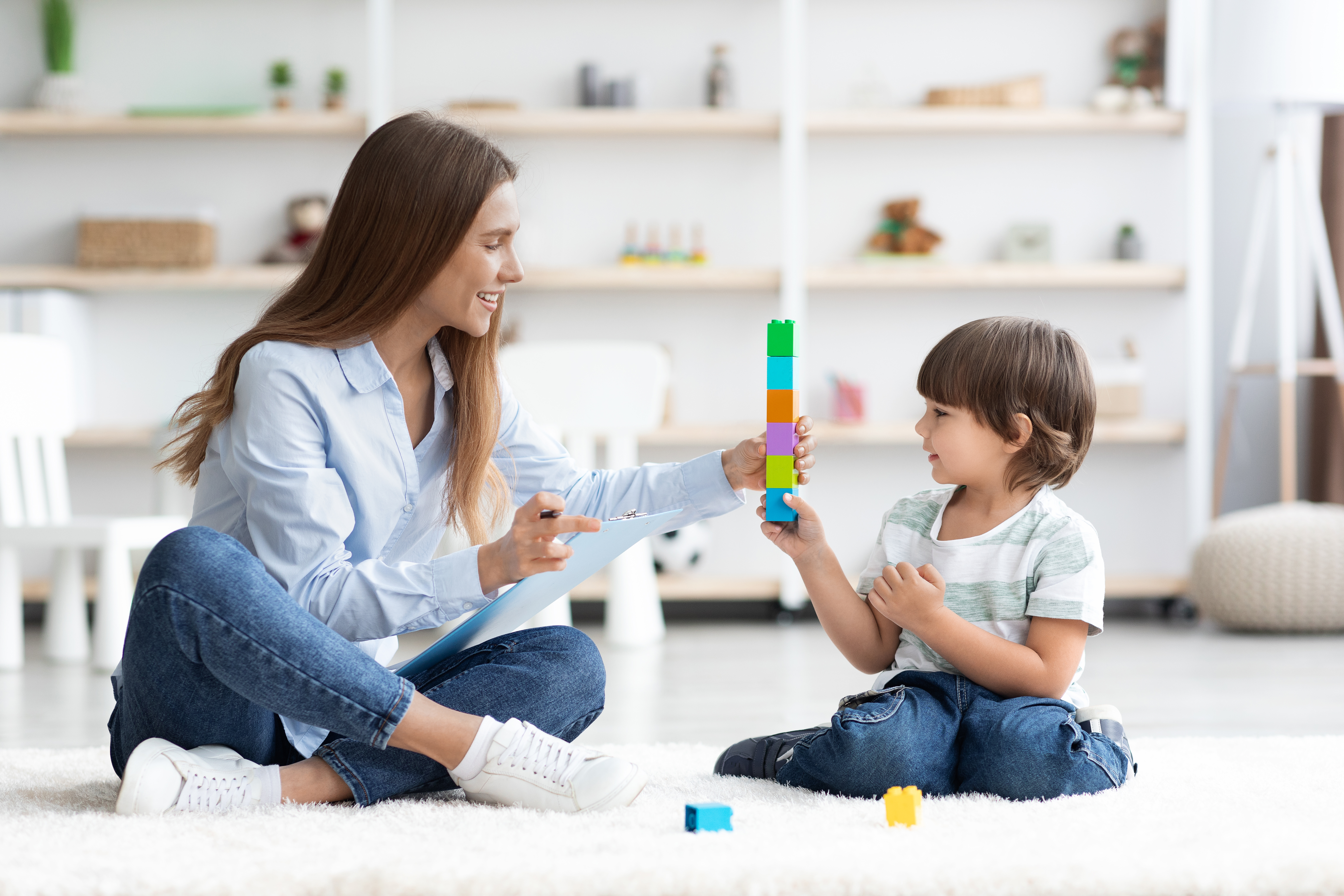
Family involvement is key to successful therapy. When parents and caregivers understand the benefits of play, they can support their child’s development at home.
Supporting Parents and Caregivers
Parents often wonder how they can help their children outside of therapy sessions. Understanding the role of play in development is a great start.
By engaging in play with your child, you provide opportunities for learning and growth. Simple activities like board games, arts and crafts, or outdoor play can reinforce skills learned in therapy. These shared experiences also strengthen the parent-child bond, creating a supportive environment for development. Additionally, observing your child’s play can offer insights into their needs and preferences, helping you tailor your support effectively.
Engaging with Family Tree Therapies
Family Tree Therapies is committed to supporting families throughout their journey. Our team provides personalized care and resources to empower you and your child.
At Family Tree Therapies, we believe in a collaborative approach. We work closely with parents to create individualized therapy plans that meet each child’s unique needs. Our therapists are skilled in using play to make therapy engaging and effective. We also offer workshops and seminars to educate families on various aspects of child development. These events provide valuable insights and practical tips that you can apply at home. By partnering with us, you’re joining a community dedicated to fostering growth and success for your child.